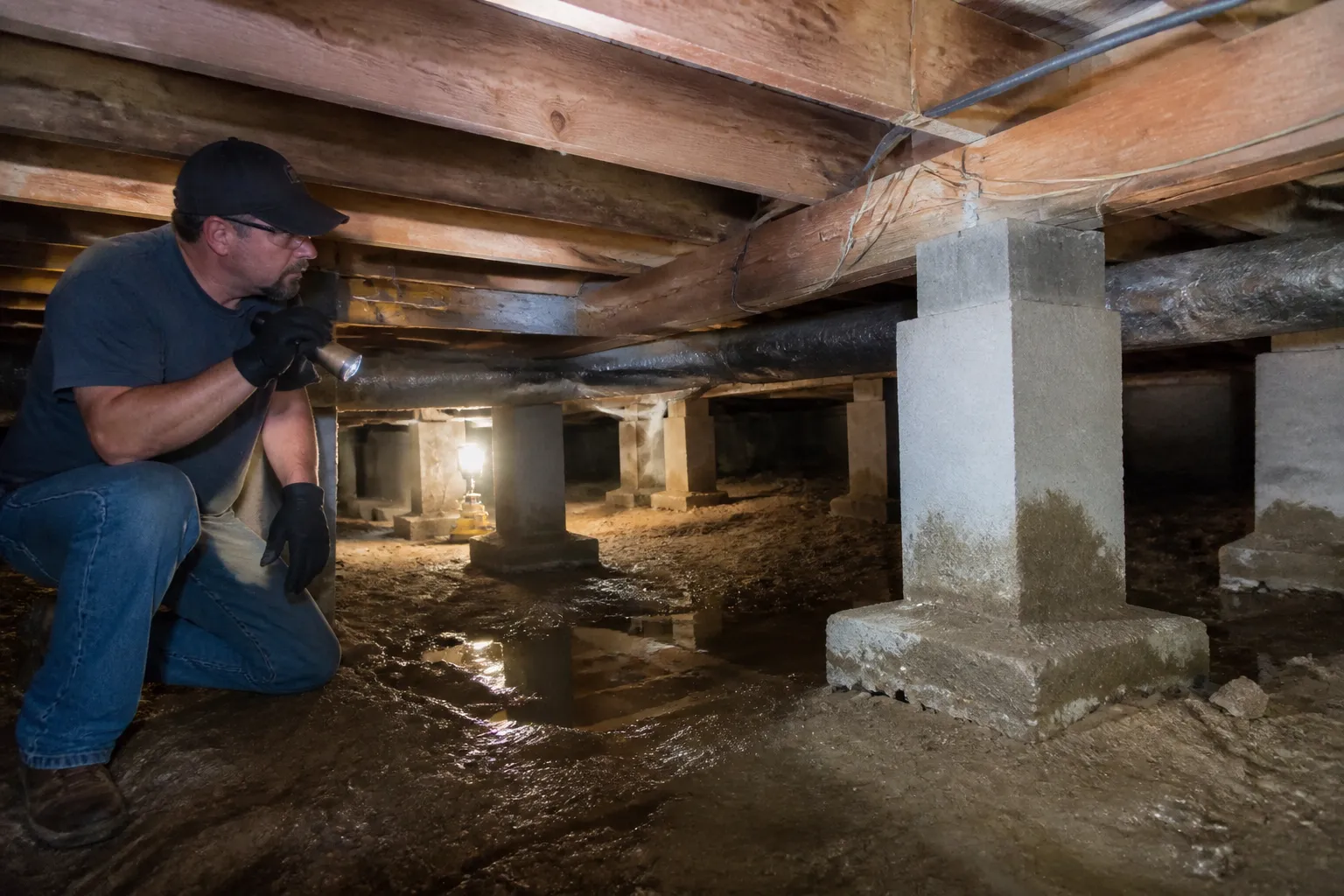
Soft floors, musty odors, and doors that start sticking can all point to crawl space trouble. If you have noticed sagging spots, damp wood, or uneven areas beneath the home, the problem may be starting below the surface rather than at the walls you can see.
Grapevine Solid Foundation Repair helps homeowners identify what is happening under the home and choose a repair plan that matches the cause. Crawl space damage can come from moisture, settling, weakened support members, or drainage problems, so the first step is a careful inspection and a clear explanation of what needs attention.
Crawl space damage often shows up through changes inside the house long before you see the source. Paying attention to these warnings can help limit structural movement and avoid larger repairs later.
These symptoms do not always mean the same repair is needed. A crawl space with excess moisture may need drainage or waterproofing work, while a crawl space with damaged supports may need structural repair. The key is finding the source before choosing a fix.
Every crawl space has its own conditions, but several common problems tend to create trouble over time. In Grapevine, changing moisture levels and soil movement can place stress on supports and framing, especially when water gathers near the foundation.
When water enters the crawl space or humidity stays high for long periods, wood can weaken and metal components can corrode. Moisture also creates the kind of environment where odor and decay tend to develop.
Some crawl space problems begin when piers, beams, or support points settle unevenly. That movement can create dips in the floor above and transfer stress to other parts of the structure.
If runoff collects near the foundation, the crawl space may take on water during wet periods. Poor drainage can make other repairs less effective if the source of the water is not addressed first.
Shifting soil beneath the home can alter support conditions. As the ground moves, the crawl space may lose stability and the house above may start showing cracks or sloping floors.
Before any repair begins, we look at the crawl space conditions, the symptoms inside the home, and the signs around the foundation. That helps narrow down the cause and keeps the solution focused on the actual problem.
We start with what the homeowner has noticed, such as floor movement, odors, or cracks. Those clues often help point us toward the likely source of the damage.
We examine crawl space framing, support points, and areas where moisture or settlement may have weakened the structure.
Drainage patterns, damp soil, and signs of pooling help show whether water is contributing to the issue.
After the assessment, we explain the findings and discuss the most practical repair approach for the home.
Grapevine Solid Foundation Repair focuses on clear answers, not guesswork. A crawl space can look one way from above and very different from below, so the inspection matters just as much as the repair itself.
Crawl space repair can involve more than one type of work, depending on what the inspection shows. Some homes need structural corrections, while others need help controlling moisture and water movement.
When floor sagging or uneven support is part of the problem, repair may focus on stabilizing the crawl space framing and addressing the damaged support conditions that are causing movement.
Waterproofing work can help limit moisture intrusion and reduce the conditions that lead to wood damage, staining, and mold-friendly dampness.
If water tends to gather around or beneath the home, drainage improvements can help redirect it away from the foundation and reduce crawl space moisture buildup.
When crawl space movement has contributed to cracking, the damaged areas may need repair so the structure can better resist further stress.
Uneven floors can sometimes call for leveling work when support conditions have shifted and the home no longer sits evenly across its foundation system.
Many crawl space issues are first noticed through everyday changes around the house. Those changes may seem small at first, but they often point to a structural or moisture problem below the floor.
These symptoms can come and go, which makes them easy to dismiss. If they keep returning, the crawl space should be checked before the issue spreads to more of the structure.
Repairing the crawl space is about more than making the area look better. It is about restoring support, reducing moisture stress, and protecting the structure that carries the home above it.
A sound repair plan can help:
When the cause is handled early, the home often becomes easier to live with. Floors feel steadier, odors are less noticeable, and the structure is less likely to keep shifting over time.
Grapevine homes can face crawl space trouble from soil movement and changing moisture conditions. That is why a repair plan should match the site conditions rather than rely on a one-size-fits-all fix.
We work with homeowners who need straightforward answers about what is happening under the home and what can be done about it. Whether the concern is water intrusion, settlement, or weakened supports, the goal is to address the source and protect the structure for the long term. Grapevine Solid Foundation Repair also serves nearby communities such as Southlake, Flower Mound, Lewisville, Euless, Colleyville, Bedford, Coppell, Keller, Roanoke, Trophy Club, Hurst, and Westlake.
Common signs include sagging floors, moisture, musty odors, wood staining, and doors that start sticking. Some problems are visible under the home, while others show up inside the living space.
Yes. Moisture can weaken wood, encourage odors, and contribute to floor movement or other structural concerns that spread beyond the crawl space itself.
No. Some homes need drainage or waterproofing work, while others need structural support repair, leveling, or crack repair. The right fix depends on the cause.
We inspect the crawl space, review the homeowner’s concerns, and look for signs of settlement, water entry, damaged supports, or moisture buildup.
Yes. If the structure shifts below the home, cracks can appear above openings, along walls, or near trim and ceiling lines.
That odor often comes from trapped moisture, damp wood, or long-term humidity beneath the home. It can signal conditions that need attention before more damage develops.
If your home is showing signs of crawl space trouble, the next step is a detailed look at what is causing it. Grapevine Solid Foundation Repair can help you understand the problem and move toward a repair plan that fits the structure, the soil, and the moisture conditions affecting your home.
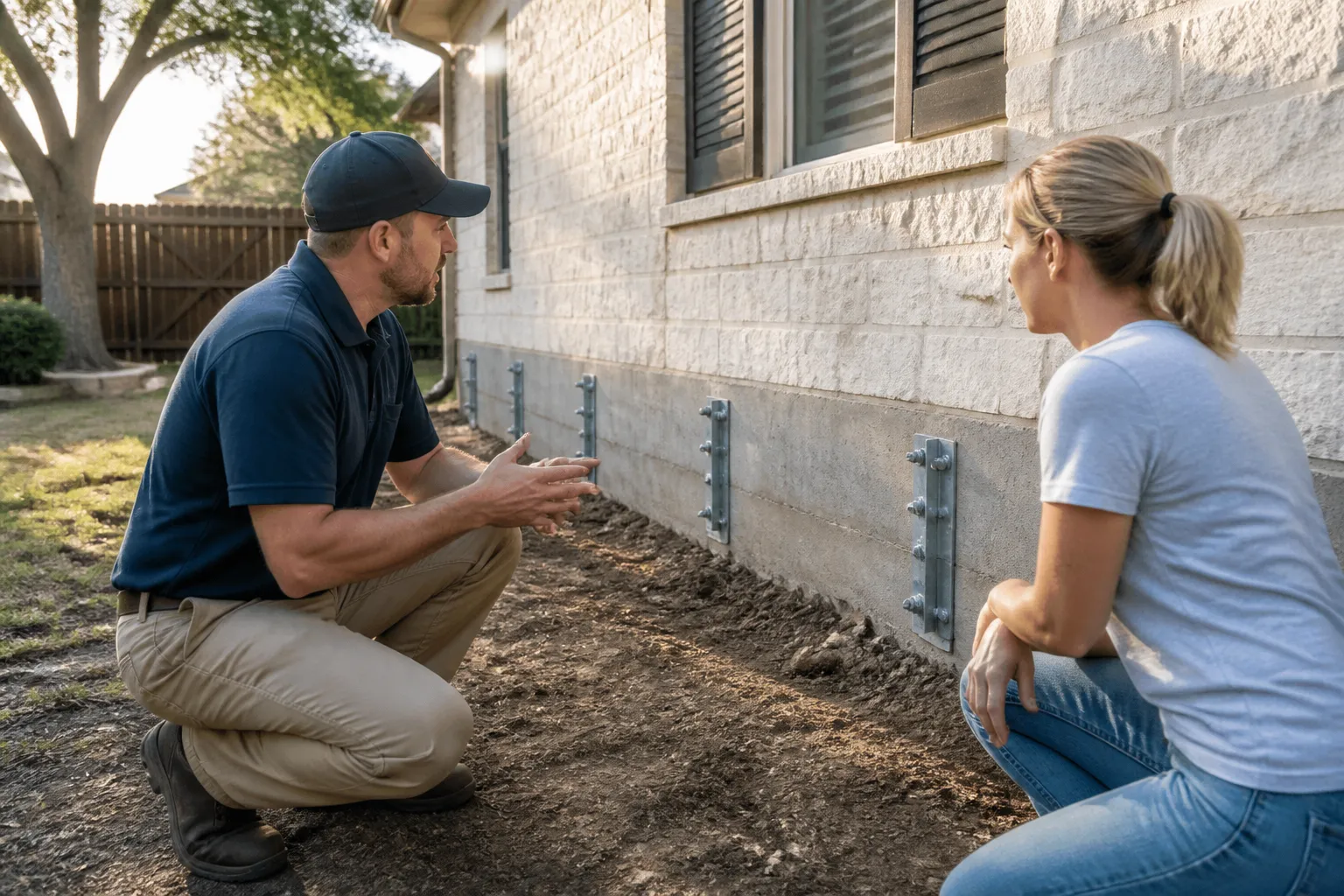
Get Started
Share what you are seeing, whether it is cracks, settling, uneven floors, or drainage concerns, and we will help you understand the next best step for your property.