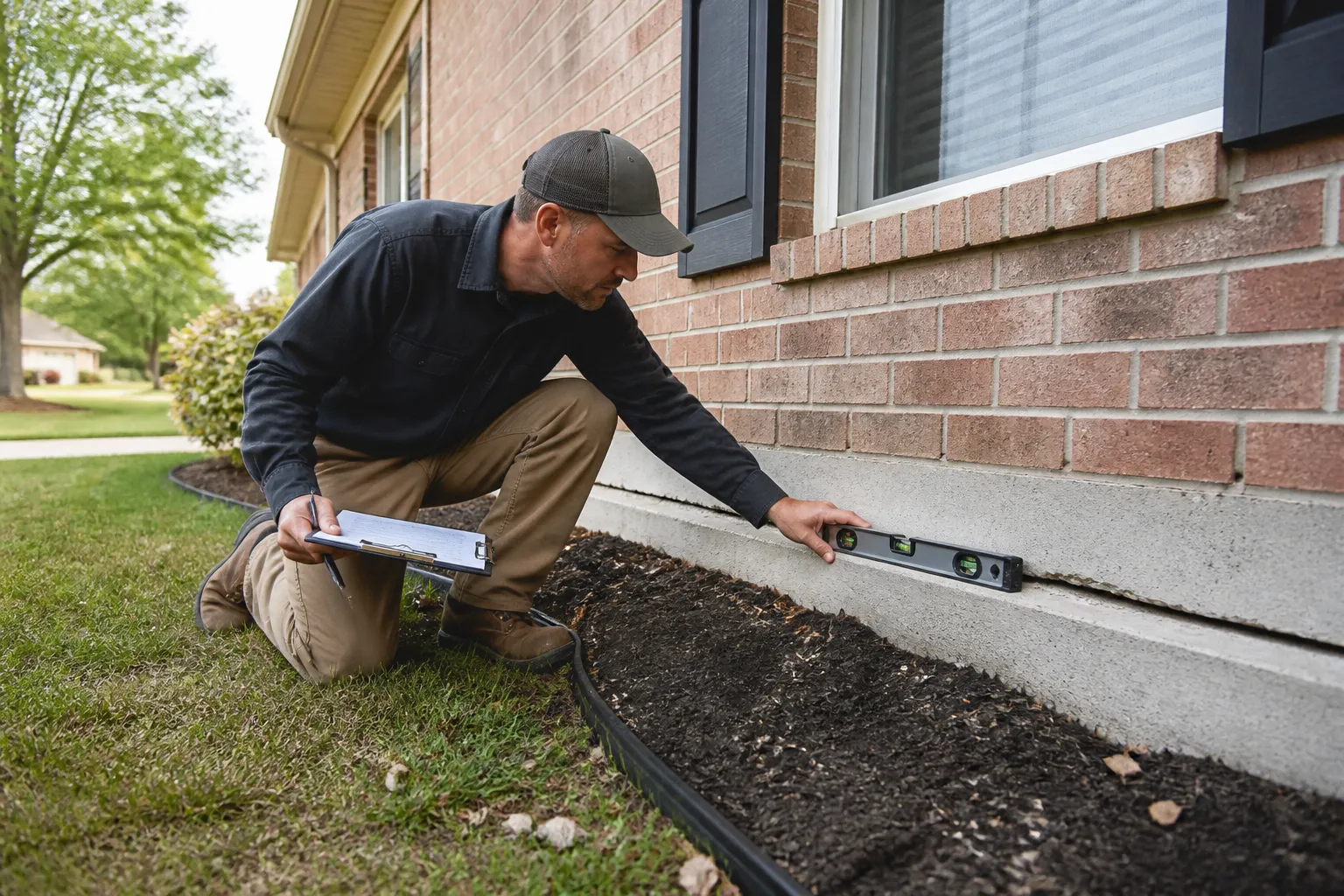
Cracks along drywall, doors that stick, or floors that no longer feel level can all point to foundation movement. A careful foundation inspection helps sort out whether the problem is active settlement, moisture-related movement, or another structural concern that needs attention.
If you are seeing new gaps, shifting trim, or separation around windows and doors, Grapevine Solid Foundation Repair can take a close look at the structure and explain what the signs may mean. We inspect the foundation, review visible symptoms, and recommend the next step based on the condition of the property, not guesswork.
Foundation problems rarely start with one dramatic failure. They often show up as small changes that become easier to notice over time. A foundation inspection is a smart next step when you see one or more of these concerns:
These symptoms do not always mean the same thing. Some indicate movement tied to soil conditions, while others point to drainage concerns or localized structural stress. The inspection is meant to identify which signs matter most and whether they fit a larger pattern.
At Grapevine Solid Foundation Repair, the inspection process focuses on reading the structure as a whole. We look beyond one crack or one sticking door and compare symptoms across the property to see how they relate.
We review cracks, separations, sloping areas, and any signs that the building has shifted unevenly. That includes interior surfaces, exterior visible movement, and areas that often reveal foundation stress first.
Different foundation types show trouble in different ways. A slab foundation may display cracks and elevation changes, while a pier and beam structure may show bounce, sagging, or crawl space concerns. The inspection takes those differences into account.
Because moisture changes can affect soil behavior and foundation movement, we also look for signs that water is influencing the structure. That can include conditions that point toward poor drainage, water intrusion, or the need for foundation waterproofing or french drain installation.
We keep the inspection focused and practical. The goal is to gather enough information to understand the problem clearly and explain what comes next.
For property owners, that means less uncertainty and a clearer picture of what the structure is telling you. A good inspection should help you understand the condition without turning every crack into a major assumption.
Different structures require different inspection priorities. Grapevine Solid Foundation Repair works with both residential and commercial properties, and the inspection is adjusted to the foundation system involved.
Slab foundation movement often appears as floor slope, cracks, or wall separation. We look for evidence that the slab is shifting unevenly and whether the movement is tied to moisture changes or soil conditions beneath the structure.
Pier and beam foundation repair starts with understanding how the crawl space and support system are behaving. Sagging floors, soft spots, and alignment problems can indicate that support conditions need attention.
Commercial foundation repair inspections often focus on structural symptoms that affect performance, safety, and daily use. We review visible movement, cracks, and settlement patterns so the issue can be addressed with the right repair approach.
In Grapevine, expansive clay soils and changing moisture levels can contribute to foundation movement over time. As the soil expands and contracts, the structure may begin to shift, settle, or show stress at weak points.
That movement can be gradual. A crack that appears small today may be part of a larger pattern developing beneath the surface. Drainage conditions also matter, because water around the structure can affect soil behavior and increase the chance of settling or slab movement.
We do not treat every symptom as the same problem. A foundation inspection helps separate soil movement from water-related issues, aging materials, or isolated damage so the next step is grounded in the actual condition of the property.
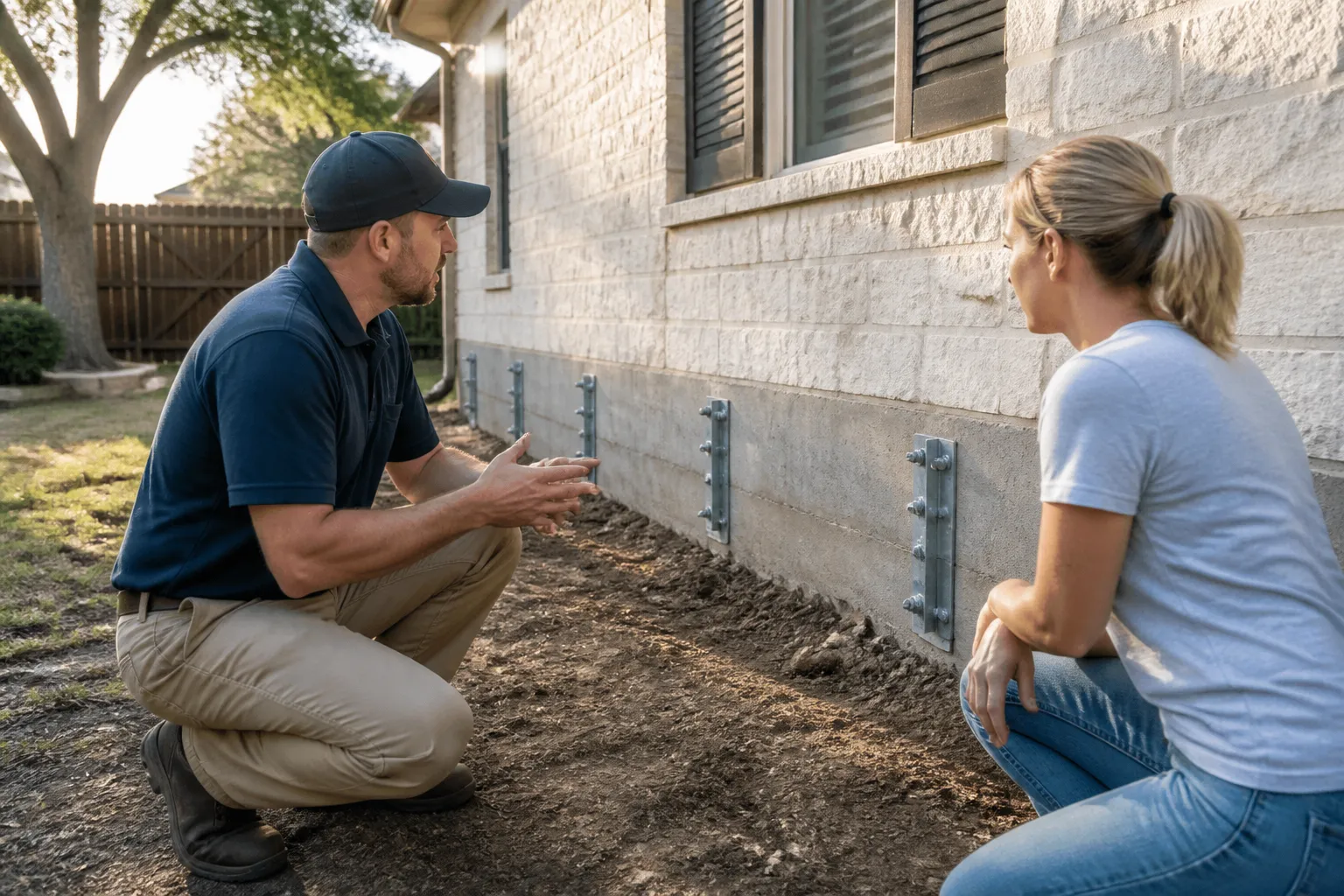
Once the inspection is complete, you should have a clearer idea of what is happening and what may be needed next. Depending on the findings, the recommended solution may involve one or more of the following:
Not every inspection leads to immediate repair, and that is part of the value. Sometimes the most useful result is knowing which signs are active, which are stable, and which deserve close attention before they spread.
Foundation movement can affect more than appearance. As conditions change, cracks can widen, doors can shift further out of line, and floors can become more noticeably uneven. Catching the issue early can help reduce the amount of structural disturbance that develops later.
For homeowners and businesses alike, the goal is to understand the foundation before the symptoms become harder to ignore. A timely inspection can also help connect the visible problem to the cause, which makes repair decisions far more straightforward.
Cracks, sloping floors, sticking doors, window gaps, and separation around trim are all good reasons to schedule an inspection. Water-related signs near the foundation are also worth checking.
No. Some cracks are cosmetic, while others reflect movement that should be evaluated. The inspection helps tell the difference by looking at the pattern, location, and surrounding symptoms.
Yes. A single room may reveal the earliest visible symptoms, especially if the movement is concentrated near one side of the structure or one support area.
A slab inspection focuses on surface cracking, floor changes, and signs of settlement. A pier and beam inspection also considers crawl space conditions, support alignment, and floor deflection.
Yes. Drainage can influence how moisture behaves around the structure, which can affect soil movement and contribute to settlement or shifting over time.
Yes. Grapevine Solid Foundation Repair performs commercial foundation repair inspections as part of the services offered, and the review is tailored to the structure and symptoms involved.
If your property is showing cracks, uneven floors, or other signs of movement, a foundation inspection can help you understand what is happening before the problem grows. Grapevine Solid Foundation Repair provides careful evaluations for homes and businesses throughout Grapevine and nearby communities.
Visit us at 2451 W Grapevine Mills Cir, Grapevine, TX 76051 or call +18172032552 to schedule a foundation inspection. We are available Monday through Saturday from 8:00 AM to 7:00 PM.
Get Started
Share what you are seeing, whether it is cracks, settling, uneven floors, or drainage concerns, and we will help you understand the next best step for your property.