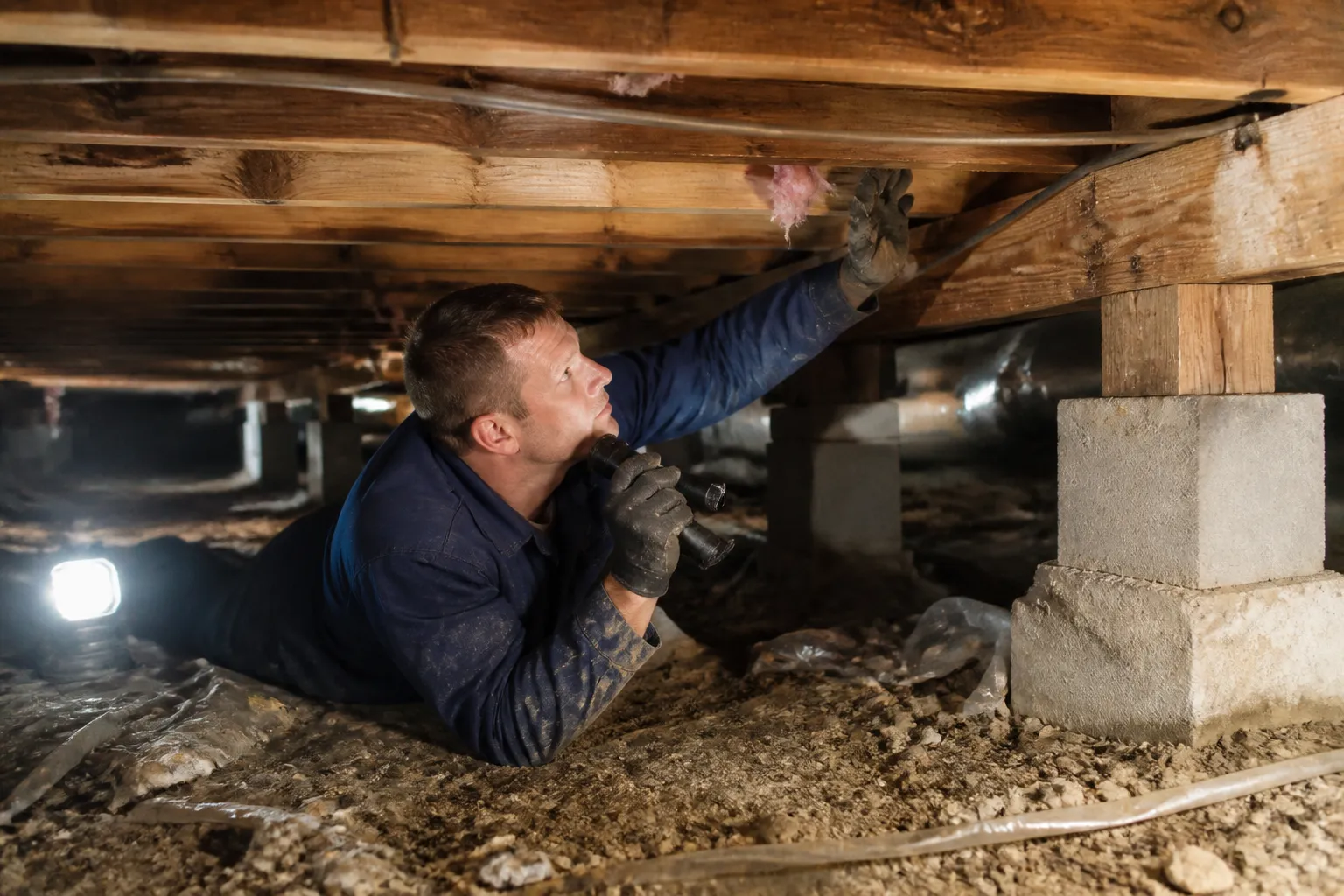
Uneven floors, doors that start sticking, and gaps that seem to grow a little more each season can point to pier and beam foundation trouble. You may also notice bouncy spots underfoot, interior trim pulling away, or a crawl space that no longer feels stable enough to ignore.
When those signs show up, the next step is a careful inspection of the support system beneath the home. Grapevine Solid Foundation Repair looks at the condition of the piers, beams, joists, and soil support to determine what is causing the movement and what kind of repair makes sense for your property in Grapevine.
Pier and beam homes often give small warnings before larger structural movement becomes obvious. The earlier those signals are checked, the easier it is to understand whether the issue is localized or affecting the entire support system.
These symptoms do not always mean the same thing. Some homes need support adjustments. Others need structural repair tied to soil movement, moisture conditions, or damaged framing components.
Pier and beam systems depend on a balanced network of supports. When that balance changes, the home can settle unevenly and create visible problems inside the living space.
If piers sink, lean, or lose contact with the beams they carry, the floor above can begin to dip. That movement may happen slowly, which makes it easy to overlook until doors stop latching or one side of the home feels noticeably lower than another.
Grapevine soil conditions and moisture variation can affect the ground that supports a pier and beam structure. When the soil expands, contracts, or loses stable contact with the supports, the home may settle out of level.
Over time, beams, joists, and subfloor materials can weaken from age, stress, or past movement. If those pieces are damaged, the foundation repair plan must address more than surface-level symptoms.
Every pier and beam repair starts with a close look at the structure from the crawl space up through the living areas. Grapevine Solid Foundation Repair uses the signs inside the home and below it to trace the movement back to its source.
We begin with the areas causing concern, such as sloping floors, cracking, or door misalignment, so the inspection focuses on real changes the homeowner has noticed.
We look at piers, beams, support spacing, moisture conditions, and any visible signs of shifting or deterioration beneath the home.
We check how the floor system is carrying weight and whether the issue is isolated to one section or spread across a larger area.
After identifying the source of movement, we explain the repair approach that fits the condition of the structure and the extent of the settlement.
This process matters because a pier and beam problem is rarely solved by guessing. The repair should match the structural cause, not just the most visible symptom.
Different homes need different solutions. A sound repair plan may involve one or more methods based on the condition of the supports and the amount of movement present.
When support points have shifted or settled unevenly, adjusting or rebuilding pier support can help restore balance to the floor system. The goal is to bring the structure back into a more stable position without forcing unnecessary work.
If beams or joists have suffered damage, repair work may be needed to restore load support. This can help address sagging floors, soft spots, or structural weakening that continues to worsen over time.
House leveling for pier and beam structures focuses on bringing the floor system back toward a more even condition. That process is especially useful when one section of the home has dropped more than the rest.
Moisture management can play a role when crawl space conditions contribute to long-term movement. Foundation waterproofing can help reduce the effects of unwanted water exposure around vulnerable structural areas.
Pier and beam problems often start small, but they tend to affect more of the home when ignored. A slight slope can turn into wider floor movement. A sticking door can become a sign of expanding structural strain. Gaps that once seemed cosmetic may reflect continued settlement.
For homeowners in Grapevine, early action can help limit the spread of damage. The sooner the support system is evaluated, the more options there may be for targeted repair instead of broader structural correction.
Waiting too long can also make it harder to distinguish between old movement and recent change. A timely inspection gives a clearer picture of what needs attention now and what can be monitored later.
Grapevine Solid Foundation Repair focuses on clear, practical work from the first visit through the final adjustments. We explain what the home is telling us, what part of the structure is affected, and why the chosen repair method fits the condition we found.
That kind of communication matters on pier and beam projects because the damage is not always visible from one location. A clear explanation helps homeowners understand the structure they live above and the work being done beneath it.
Pier and beam homes in Grapevine can show different symptoms depending on how the structure has settled and how moisture has affected the support area. Some homes have isolated sagging near one room. Others show more widespread movement across the floor system.
We regularly help property owners who want a straightforward answer about whether the issue is cosmetic, structural, or both. That answer matters when planning repairs, especially if the home already shows cracking, floor movement, or crawl space concerns.
Grapevine Solid Foundation Repair serves homeowners and businesses throughout Grapevine and nearby communities, with service area coverage that includes Southlake, Flower Mound, Lewisville, Euless, Colleyville, Bedford, Coppell, Keller, Roanoke, Trophy Club, Hurst, and Westlake.
A floor that feels uneven in more than one room, keeps changing, or comes with doors, trim, or drywall cracking is often worth a foundation inspection. Structural slope usually involves more than a surface finish issue.
Yes. When the support system shifts, door frames can go out of alignment and make doors stick, rub, or fail to latch correctly.
It focuses on the condition of piers, beams, joists, support spacing, moisture exposure, and signs of settlement or deterioration that help explain the movement above.
No. Some floors sag because of framing wear, moisture damage, or localized structural issues. A full inspection helps separate foundation movement from other causes.
It can, when the cracks are tied to structural movement. If the home has shifted enough to affect framing alignment, wall and trim cracks may improve after the underlying issue is corrected.
As soon as possible. Early inspection makes it easier to pinpoint the cause before the movement spreads or the damage becomes harder to correct.
If your pier and beam home is showing signs of settlement, Grapevine Solid Foundation Repair can evaluate the structure and recommend a repair plan based on what the home actually needs. From sagging floors to crawl space movement, the goal is to identify the cause and address it with a practical solution.
Call +18172032552 or visit 2451 W Grapevine Mills Cir, Grapevine, TX 76051 to schedule service Monday through Saturday, 8:00 AM to 7:00 PM.
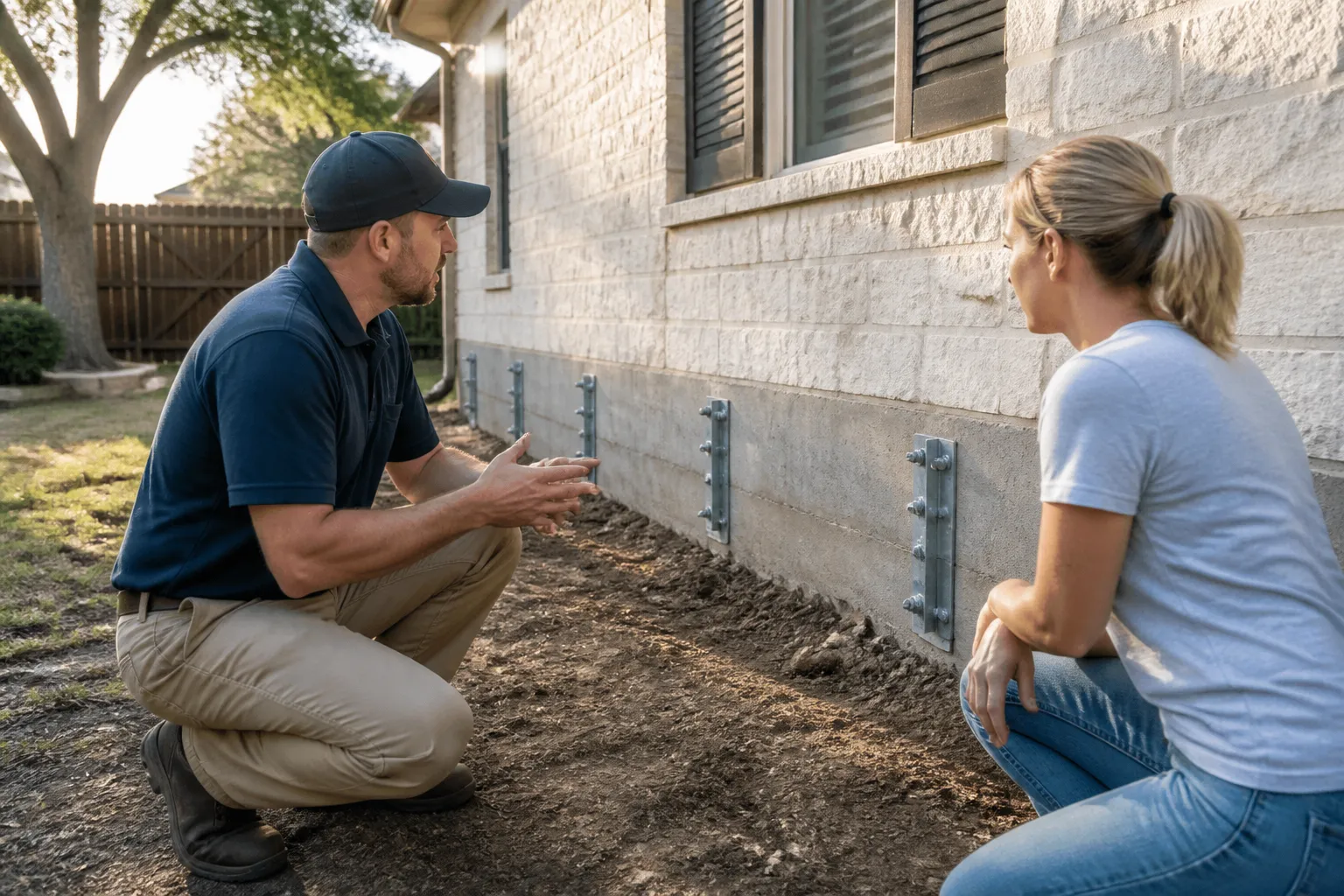
Get Started
Share what you are seeing, whether it is cracks, settling, uneven floors, or drainage concerns, and we will help you understand the next best step for your property.