Cracks along the slab, uneven floors, and doors that suddenly start sticking can be signs of foundation movement. If those changes are spreading through a home or business, the next step is a careful slab evaluation before the damage grows worse.
Grapevine Solid Foundation Repair helps property owners across Grapevine identify what is driving slab movement and what repair approach fits the condition of the structure. We look at the symptoms, the underlying soil and drainage conditions, and the way the slab is shifting so the repair plan makes sense from the start.
Slab foundation problems often start small. A hairline crack may not seem urgent at first, but movement usually leaves a pattern. When several signs show up together, the slab deserves attention.
Some of these symptoms may point to settlement, while others suggest sections of the slab are lifting or shifting unevenly. The pattern matters more than one isolated crack. A focused inspection helps separate cosmetic wear from structural movement.
Slab foundations change when the soil beneath them changes. In Grapevine, shifting moisture levels and expansive clay soils can cause soil to swell, shrink, and move around the foundation. That movement can create stress on the slab and on the structure above it.
When soil gains moisture, it can expand and push against the slab. When it dries out, it can contract and leave voids that allow sections of the foundation to settle. Both conditions can happen over time, and a slab may react differently from one side to another.
Water that collects near the foundation can soften supporting soil and increase movement. If runoff stays too close to the structure, the slab may settle unevenly or show new cracks after repeated moisture changes.
Once the slab begins to move, the framing above it can begin to show signs as well. That is why slab repair is not only about filling cracks. It is about addressing the movement pattern so the structure can be stabilized.
Before any repair is recommended, we start with a close inspection of the slab and the symptoms around it. Grapevine Solid Foundation Repair looks for visible damage, elevation changes, and signs that help reveal whether the slab is settling, shifting, or reacting to moisture conditions.
This process helps avoid guesswork. A slab that has settled at one corner may need a different approach than a slab that is moving across a wider section. The goal is to match the fix to the condition under the property.
Slab foundation repair can involve different methods depending on the amount of movement and the type of structure. The right approach depends on what the inspection reveals.
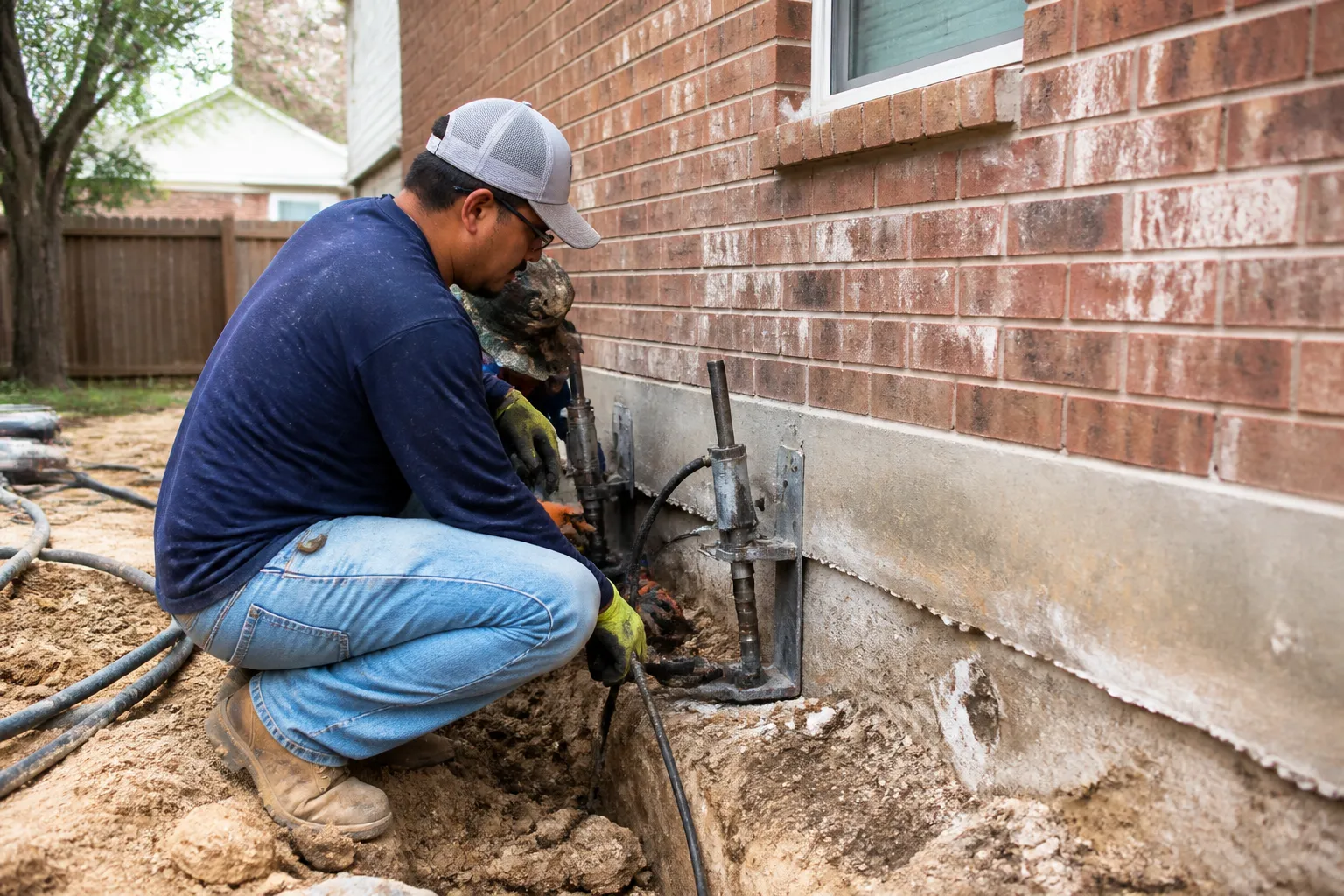
When sections of a slab have dropped or shifted, stabilization is often the first goal. Support is added where needed so the foundation can be brought back toward a more even position and held more securely.
Cracks in the slab or through related materials may need repair after the underlying movement is addressed. Repairing the visible damage without dealing with the cause can leave the problem active. We focus on both the structural issue and the damage it created.
If the slab has moved enough to affect the shape of the structure, house leveling may be part of the solution. This helps correct uneven support and reduce the strain that movement places on walls, floors, and openings.
Every slab has its own condition, and every repair plan should reflect that. Grapevine Solid Foundation Repair handles slab foundation problems with a practical approach that keeps the cause, the symptoms, and the structure itself in view.
Homeowners and business owners often call when they notice one of these concerns:
We work to explain what is happening and what the repair is meant to accomplish. Clear communication matters when a foundation issue affects daily use of the property, especially when the damage is visible but the cause is not.
Repairing the slab is one part of the job. Reducing the conditions that contribute to movement is another. For some properties, that means making sure water is directed away from the foundation and not left to collect nearby.
Depending on what the inspection shows, related services may help reduce future stress on the slab:
These services do not replace slab repair, but they can support the overall goal of reducing movement around the property.
Slab movement can affect more than a residence. Commercial properties may show similar signs, such as uneven floors, cracking, and stress around entry points or interior walls. When a slab issue affects a business space, the concern is not only structural. It can also affect use, safety, and daily operations.
We assess commercial foundation repair needs with the same attention to the movement pattern and the condition of the slab. The aim is to understand where the structure is shifting and what repair path fits the property’s use.
Cracks tied to slab movement often appear with other signs, such as uneven floors, sticking doors, or separation around trim. A single crack may not tell the whole story, so the pattern around it matters.
Yes. When the foundation shifts, the frame above it can move out of alignment. That may cause doors to rub, stick, or fail to latch, and windows may become harder to open or close.
Not every crack means the slab is failing, but any crack that changes, widens, or appears with other movement signs should be evaluated. The inspection helps determine whether the damage is cosmetic or structural.
Even a slight slope can signal that part of the slab is settling. Small changes can grow over time, so early review is useful before more of the structure is affected.
Yes. Water that stays near the foundation can soften soil or create uneven moisture changes under the slab. Managing water around the property can be part of a long-term repair strategy.
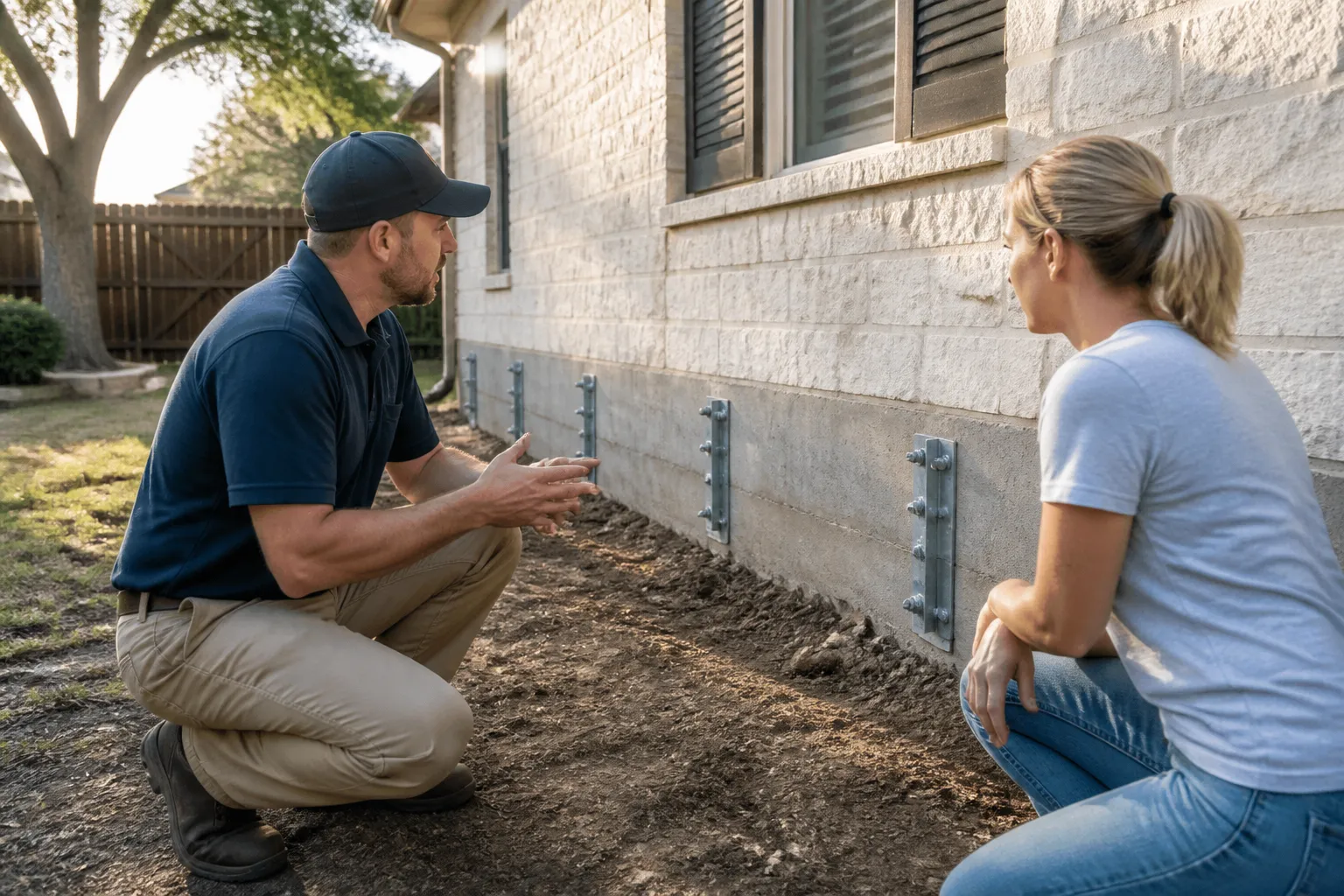
After the slab is assessed, we explain what the movement pattern suggests and which repair options fit the condition of the property. The goal is to give you a clear path forward based on the actual cause.
If your Grapevine property is showing cracks, floor movement, or other slab foundation concerns, a focused inspection is the right place to begin. Grapevine Solid Foundation Repair serves local homeowners and businesses with slab foundation repair plans shaped by the structure, the soil, and the symptoms you can already see.
Call +18172032552 or visit us at 2451 W Grapevine Mills Cir, Grapevine, TX 76051. We are open Monday through Saturday from 8:00 AM to 7:00 PM.
Get Started
Share what you are seeing, whether it is cracks, settling, uneven floors, or drainage concerns, and we will help you understand the next best step for your property.