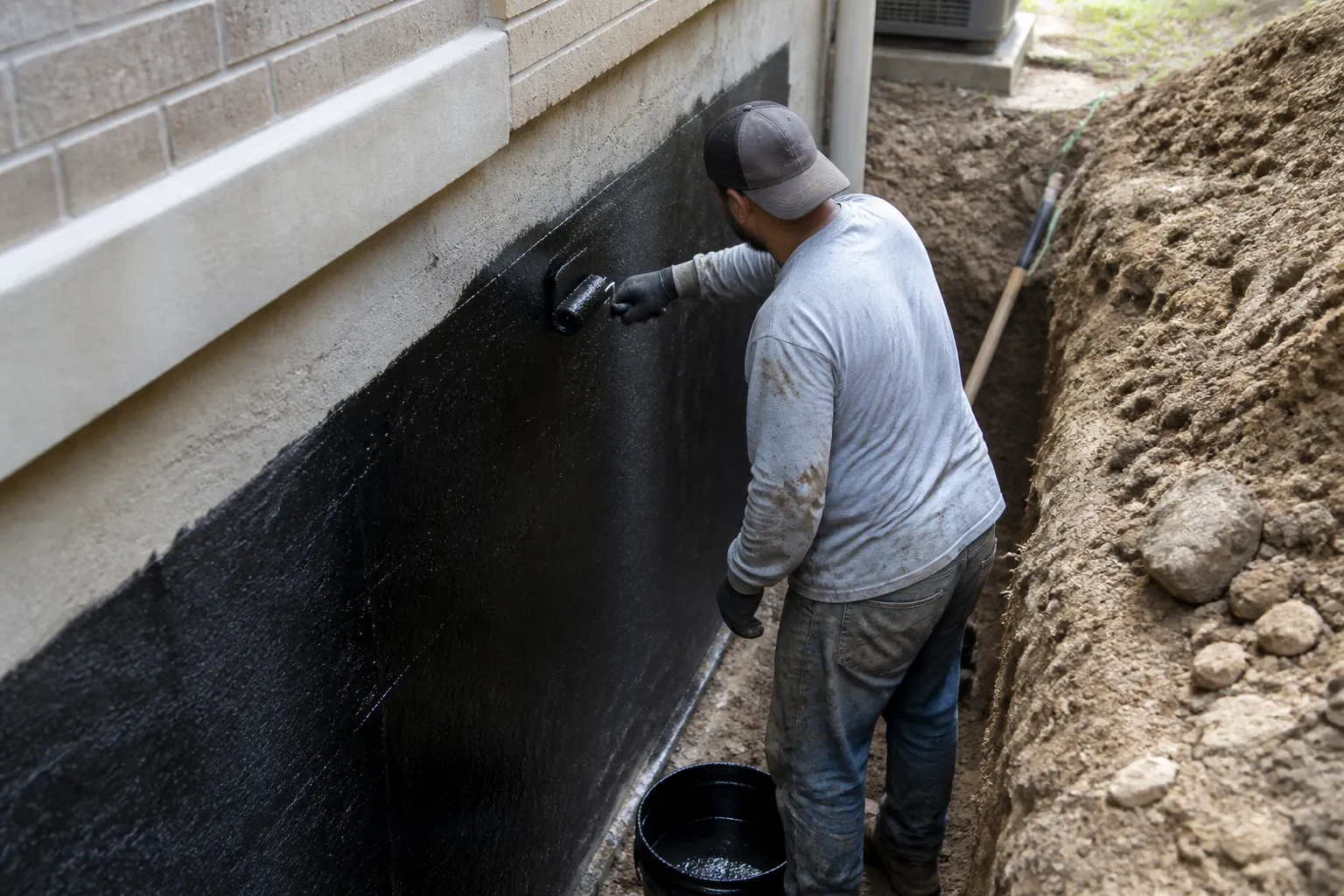
Water near a foundation rarely stays a surface problem for long. If you have seen damp walls, repeated crack changes, musty crawl space conditions, or water collecting where it should drain away, the structure may already be reacting to moisture around the foundation.
That is the point to get a clear evaluation. Grapevine Solid Foundation Repair looks at where water is entering, how it is affecting the foundation, and which waterproofing solution fits the property instead of masking the symptom.
Foundation water problems often show up slowly, then begin repeating after every heavy rain or prolonged wet spell. Homeowners usually notice more than one clue at the same time.
These signs do not always mean the same repair is needed, but they do mean the foundation needs attention. Waterproofing is most effective when the source of the moisture is identified first, then addressed with the right method for the property.
In Grapevine, foundation moisture problems are often tied to the way water moves through the soil and collects around structural edges. Water may enter through gaps, pressure points, or areas where drainage is not carrying it away fast enough.
Foundation waterproofing focuses on the points where moisture makes contact with the structure. That can include walls, slab edges, crawl spaces, and other vulnerable areas that need a stronger barrier or better water management.
Water can create pressure against a foundation wall or slip through a small opening that seems minor at first. Over time, that moisture can weaken materials, widen cracks, and create more movement around the structure.
When soil takes on too much moisture and then dries out again, the ground can expand and contract. That cycle can affect how the foundation sits, how cracks behave, and how long water stays near the structure after rainfall.
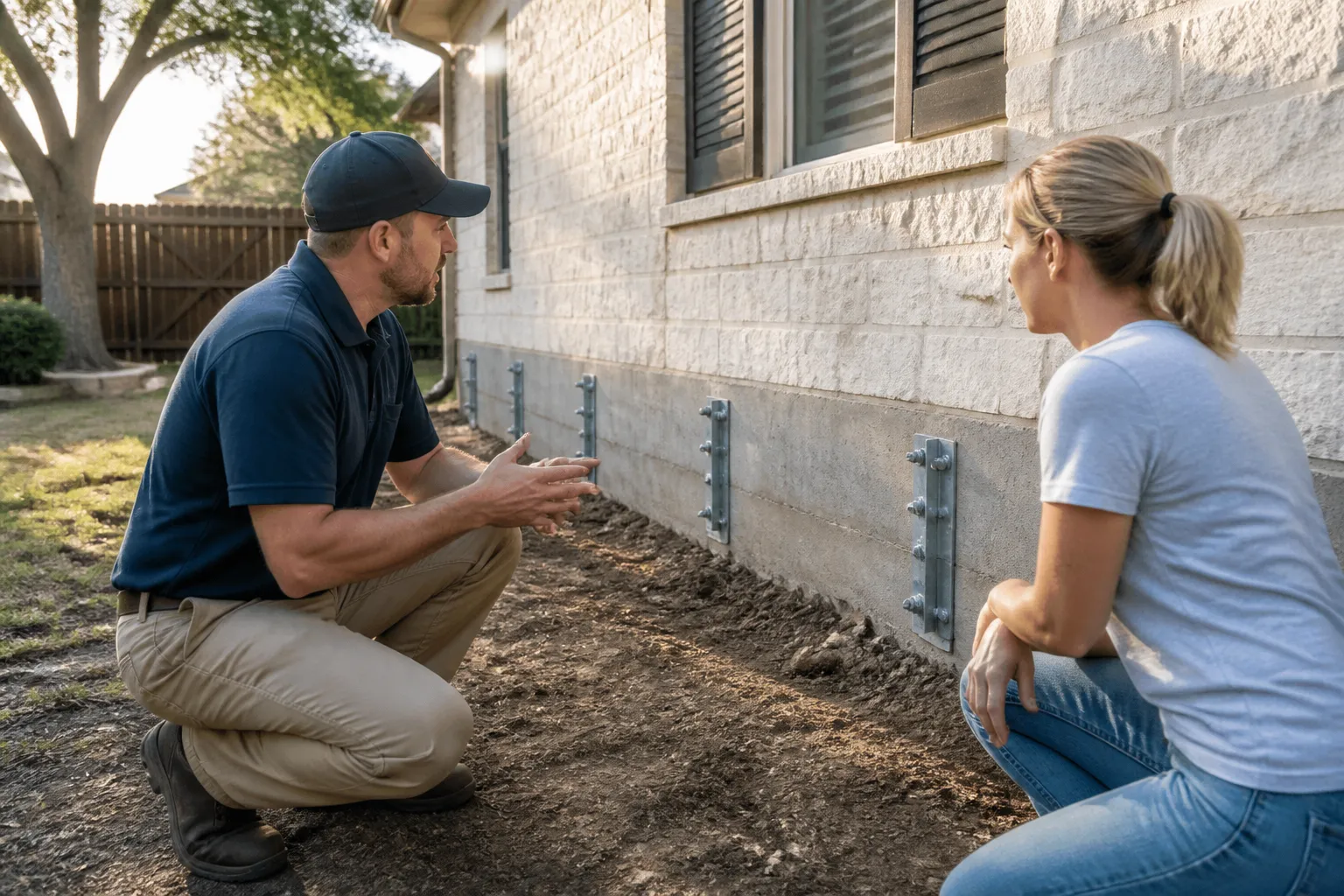
Grapevine Solid Foundation Repair begins with a careful assessment of the property. We look at the signs you have noticed, inspect the affected areas, and determine whether the main concern is seepage, drainage, structural movement, or a combination of those problems.
Once we understand the source, we recommend the waterproofing method that matches the condition of the foundation. A solid solution should reduce water intrusion and support the long-term stability of the structure, not just cover the visible damage.
We review visible cracks, damp areas, standing water patterns, and any signs of moisture-related movement around the foundation.
We determine whether the concern is tied to drainage, wall seepage, crawl space moisture, or another foundation condition.
We explain the waterproofing option that fits the property, which may be part of a broader foundation repair plan.
We complete the agreed repair with attention to the areas most affected by moisture and foundation stress.
Not every property needs the same type of moisture protection. Some homes need drainage improvement, while others need direct barrier work at the foundation. The right repair depends on where the water is entering and how it is affecting the structure.
When water pushes through wall surfaces or seams, waterproofing can help reduce seepage and protect the lower part of the structure from repeated dampness.
Moisture under a home can affect wood members, create odors, and contribute to uneven support conditions. Crawl space repair and waterproofing can help control dampness around these vulnerable areas.
Some foundation water problems are made worse because water stays too close to the home. A drainage solution such as french drain installation can help move water away from the structure more effectively.
Depending on the property, waterproofing may also be paired with foundation crack repair, slab foundation repair, house leveling, pier and beam foundation repair, or concrete lifting when settlement and water damage are connected.
Moisture does more than leave a stain. It can change how the foundation behaves over time, especially when the soil around the property remains too wet or too unstable.
When water works its way into weak points, several problems may follow:
That is why waterproofing is often part of a larger repair strategy rather than a stand-alone fix. Addressing moisture early can help reduce further movement and limit the spread of damage.
Some properties need more than one service to deal with the effect of water around the foundation. If moisture has already contributed to settlement or structural change, the repair plan may include structural correction along with waterproofing.
Grapevine Solid Foundation Repair keeps the focus on the actual condition of the property, so the repair plan addresses both the moisture source and the structural effect it has created.
Foundation waterproofing should feel clear from the start. You should know what problem is being addressed, why the repair is needed, and what area of the property will be affected.
We start by listening to what you have seen, then inspect the affected sections for signs of seepage or movement. After that, we explain the findings in practical terms and outline the repair path that makes sense for the structure.
For property owners, that means fewer surprises and a better understanding of how the work fits into the overall condition of the foundation. It also helps separate cosmetic moisture signs from the underlying cause.
Moisture around foundations is not only about what is visible on the surface. Soil conditions and drainage patterns around a property can influence how water collects, how long it stays near the structure, and how much stress it creates.
That is why waterproofing work around Grapevine needs to be evaluated with the site itself in mind. A house with seepage at a crawl space may need a different approach than a slab showing moisture along the edge. Commercial structures can also have different load and drainage demands than homes.
Whether the property needs foundation waterproofing, commercial foundation repair, or a combined repair plan, the goal is the same: keep water from continuing to work against the structure.
Look for damp lower walls, recurring seepage, musty odors, water stains, crawl space moisture, or cracks that change after rain. A professional inspection can confirm whether waterproofing is the right response.
It can help when cracks are allowing moisture to enter, but the crack itself may also need repair. The right fix depends on whether the crack is only a water path or part of a movement problem.
No. Some properties need drainage work, while others need wall waterproofing, crawl space moisture control, or structural correction. The source of the water matters more than the visible symptom.
It often can, especially when the odor is caused by damp crawl spaces or chronic seepage. Removing the moisture source is the first step toward reducing the smell.
Yes, especially when moisture contributed to the settlement. Waterproofing can help reduce further soil movement and protect repairs from being affected by additional water intrusion.
Many properties benefit from both, especially if water tends to collect near the foundation. A drainage solution such as french drain installation can support waterproofing by moving water away from the structure more effectively.
If your foundation shows signs of moisture intrusion, do not wait for the problem to spread. Grapevine Solid Foundation Repair provides foundation waterproofing for properties across Grapevine and nearby communities, with repair recommendations based on the condition of the structure itself.
Call +18172032552 or visit us at 2451 W Grapevine Mills Cir, Grapevine, TX 76051. We are open Monday through Saturday, 8:00 AM to 7:00 PM.
Get Started
Share what you are seeing, whether it is cracks, settling, uneven floors, or drainage concerns, and we will help you understand the next best step for your property.