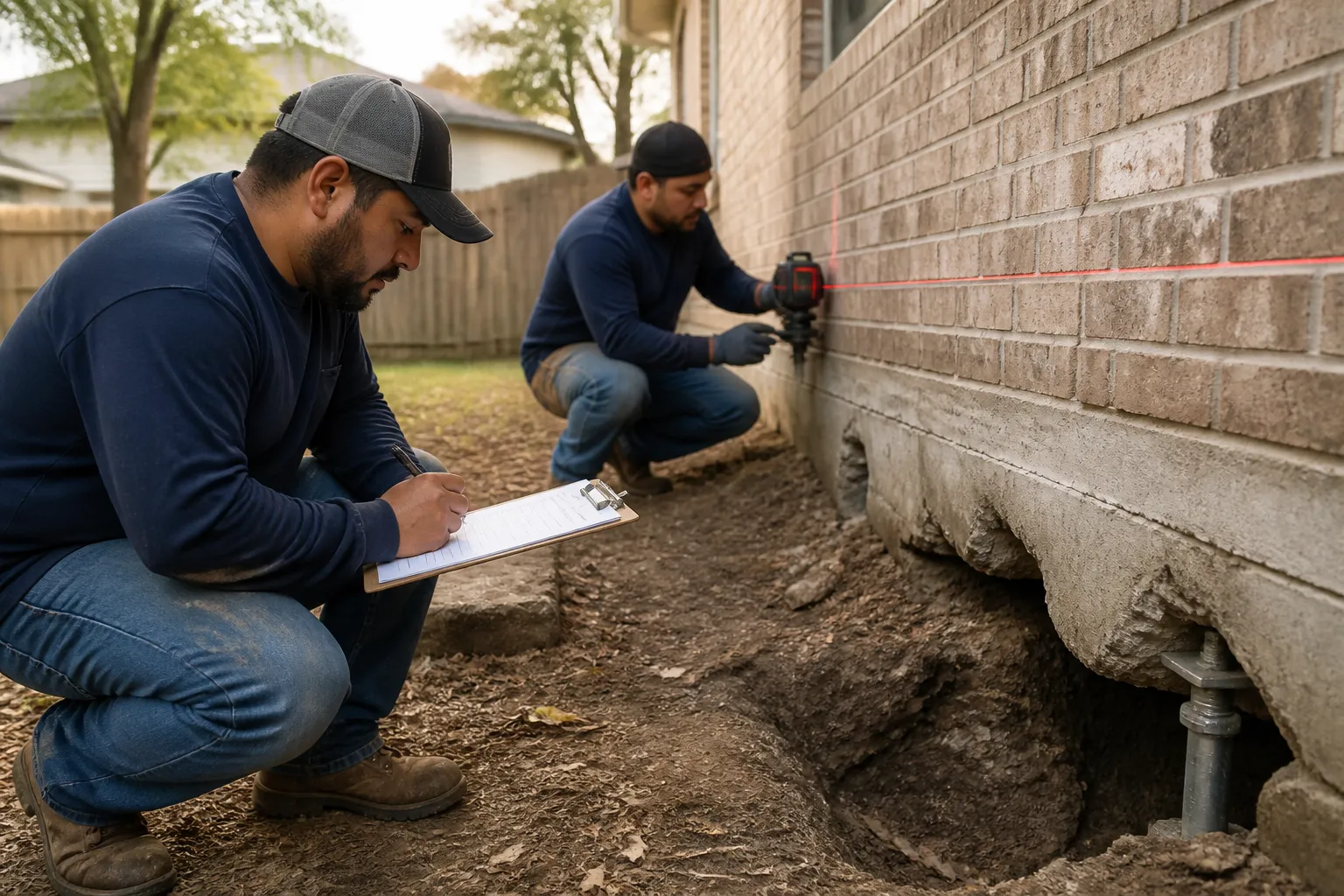
Uneven floors, doors that rub, and cracks that seem to grow are signs your home may be settling out of level. If you have started noticing sloping rooms, gaps around trim, or a floor that feels different from one side of the house to the other, it is time to look at the structure before the movement spreads.
Grapevine Solid Foundation Repair evaluates the cause of the movement first, then recommends the house leveling approach that fits your foundation conditions. In Grapevine, shifting soil and moisture changes can affect a home over time, so the goal is not just to lift a section of the house, but to correct the source of the imbalance as much as possible and help protect the structure long term.
Some foundation movement is easy to miss at first. Most homeowners notice the smaller changes before the damage becomes obvious, and those clues often point to a leveling issue.
If one or more of these signs are showing up, the structure may be settling unevenly. The earlier the issue is reviewed, the more options you usually have for correcting it before the movement becomes harder to manage.
House leveling is the process of restoring a home to a more even position after foundation movement has caused one area to drop, shift, or settle differently from the rest. The method used depends on the foundation type, the amount of movement, and what the inspection reveals beneath the structure.
At Grapevine Solid Foundation Repair, the work begins with a careful assessment of visible symptoms and foundation conditions. We look for signs of settlement, movement patterns, and anything else that could affect the repair approach. From there, the plan focuses on bringing the home back into alignment while avoiding unnecessary disturbance to the structure.
Leveling is not about forcing a house into a perfect shape at any cost. It is about making thoughtful adjustments that reduce slope, improve stability, and support the structure where it needs it most.
A home may need leveling because of soil movement, drainage concerns, moisture changes, or long-term settlement. If the cause is not considered, the same movement can return. That is why inspection and repair planning go together.
Grapevine properties can experience foundation movement for several reasons. Knowing what is driving the problem helps determine whether house leveling is the right step and what other repairs may support it.
Not every symptom points to the same cause, which is why a detailed inspection matters. The repair plan should match the foundation, the soil conditions, and the actual movement pattern.
Before any leveling work begins, we take time to understand how the home is moving and which areas need attention. That assessment helps prevent unnecessary work and gives you a clearer picture of what is happening under the house.
We start with the signs you can already see inside and outside the structure. That may include wall cracks, door alignment, floor slope, and other signs that suggest settlement.
Next, we evaluate the foundation type and the movement pattern. A slab foundation and a pier and beam structure often show different symptoms and require different repair approaches.
Once the issue is identified, we explain the leveling options and what each one is intended to address. If additional work such as foundation crack repair, drainage-related solutions, or waterproofing support is needed, those needs are discussed as part of the plan.
The right house leveling method depends on how the structure is built and where the movement has occurred. Some homes need support adjustments, while others need a broader approach to correct the uneven load.
For some homes, concrete lifting or drainage work may also be part of the solution if the surrounding surfaces or water movement are contributing to the problem. The goal is a repair plan that fits the condition of the property rather than a one-size approach.
Homeowners often want to know how a leveling project affects the house during the process. A good repair plan should be clear about the work being done and what changes may be noticeable afterward.
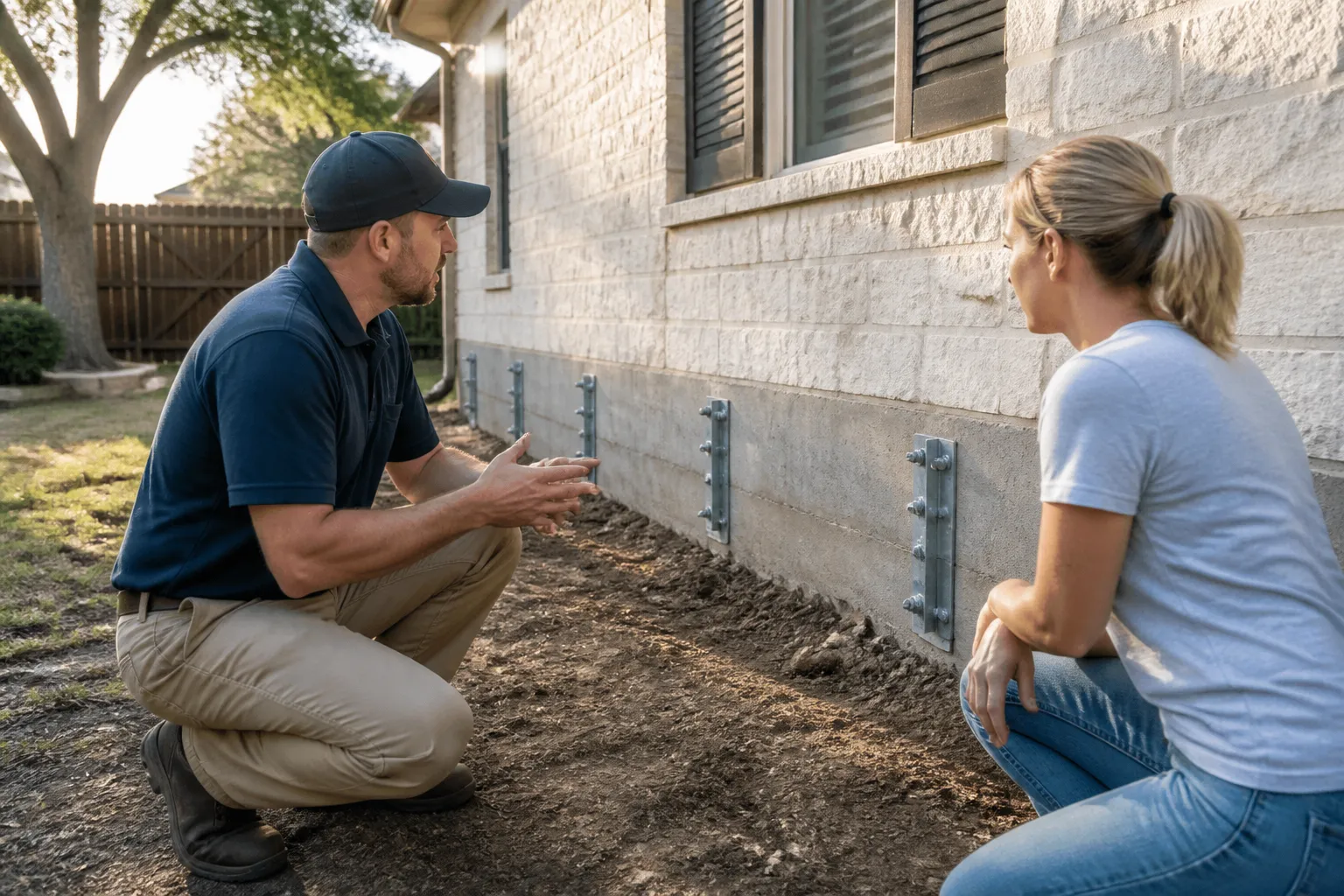
During the project, we focus on stabilizing the structure and addressing the areas that have dropped or shifted. Depending on the foundation type and extent of movement, the work may involve careful adjustments beneath the structure and follow-up recommendations for other foundation concerns.
You should understand what areas of the home are affected, what signs led to the recommendation, and what repairs are being considered. That conversation matters because it ties the repair to the actual problem.
Once the home has been leveled, some visible symptoms may lessen, such as sticking doors or noticeable slope. In cases where movement has been ongoing for a long time, additional cosmetic repairs may still be needed inside the house.
Leveling is only one part of protecting a home with foundation movement. If the soil around the structure stays unstable, the foundation can continue to be stressed. That is why long-term solutions often include more than one type of repair.
For Grapevine properties, attention to drainage and moisture-related concerns can make a real difference. If water is contributing to settlement, a french drain installation or foundation waterproofing may help reduce pressure around the foundation. Concrete driveway repair and concrete sidewalk repair may also be relevant when nearby surfaces have settled or shifted with the foundation.
Grapevine Solid Foundation Repair serves homeowners and businesses throughout Grapevine and nearby communities with a practical approach that starts with inspection and ends with a repair plan designed for the specific conditions of the property.
Common clues include sloping floors, sticking doors, wall cracks, and gaps around trim or frames. A foundation inspection can help determine whether the movement is cosmetic or structural.
It can help when the cracks are caused by foundation movement. If the cracking is active, foundation crack repair may also be needed as part of the overall plan.
No. Slab foundation repair and pier and beam foundation repair are different because the support systems are different. The repair method should match the structure.
House leveling addresses structural movement, not drainage by itself. If water is contributing to the problem, solutions such as french drain installation or foundation waterproofing may be recommended too.
Yes. Commercial foundation repair can also involve settlement or uneven support, and the assessment process is just as important for those structures.
Make note of the areas where you see slope, sticking doors, or cracks. Photos can also help show whether the signs are changing over time.
If your home feels uneven or you are seeing new signs of movement, now is a smart time to have the foundation checked. Grapevine Solid Foundation Repair provides house leveling services from 2451 W Grapevine Mills Cir, Grapevine, TX 76051, and we are available Monday through Saturday from 8:00 AM to 7:00 PM. Call +18172032552 to set up an inspection and get a clear plan for your property.
Get Started
Share what you are seeing, whether it is cracks, settling, uneven floors, or drainage concerns, and we will help you understand the next best step for your property.