Homes in Grapevine and the nearby Mid-Cities use two main foundation types. Older homes often sit on pier and beam. Newer homes usually sit on a concrete slab. Grapevine Solid Foundation Repair explains the difference so you know what you own and what to watch for.
What is a slab foundation
A slab is a thick pad of concrete poured on the ground, often with steel inside it. The house sits on top. Slabs are common in newer neighborhoods because they are quick to build.
Common slab problems
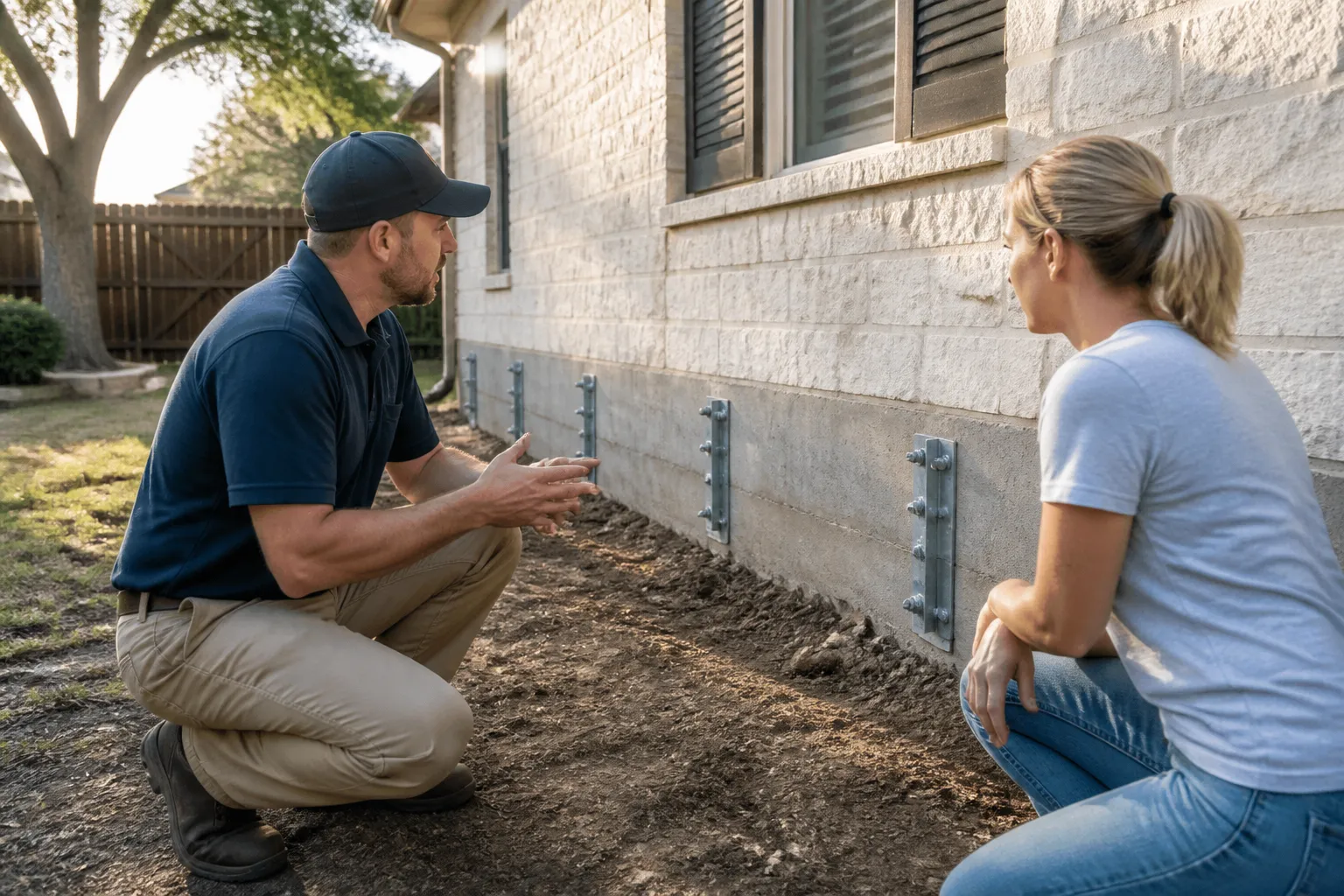
Because a slab sits directly on clay, it can crack or tilt when the soil moves. Signs include cracked floors, sticking doors, and brick cracks. Repairs often use piers to lift and support the slab. See slab foundation repair.
What is pier and beam
A pier and beam home sits on a wood floor frame held up by piers, with a crawl space below. The space lets air and plumbing run under the house.
Common pier and beam problems
Piers can sink or shift, beams can sag, and moisture in the crawl space can rot wood. Signs include bouncy floors, a floor that dips, and gaps at baseboards. See pier and beam foundation repair and crawl space repair.
Which one is better
Neither is always better. Slabs are common and cost less to build. Pier and beam gives access to plumbing and can be easier to level, but it needs moisture control. The best choice for repair depends on the condition of your home.
How to tell which you have
If you can see a crawl space door or vents near the ground, your home is likely pier and beam. If the floor sits at ground level with no crawl space, it is likely a slab. Ask us if you are not sure.
What repair looks like
For slabs, crews often place piers under low sections and lift the slab back toward level. For pier and beam homes, crews may replace or add piers, shim beams, and fix moisture in the crawl space. Each repair starts with an inspection.
Questions homeowners ask
Can a pier and beam home be changed to a slab? That is a large project and rarely needed. Repair is usually the better plan.
Do slab homes need a crawl space? No. A slab sits on the ground.
Which type moves more? Either can move. The soil, water, and age matter more than the type.
Keeping either one healthy
Keep soil moisture steady, keep water away from the walls, and watch for new cracks. See our guide to watering your foundation.
Which type do you probably have?
A simple rule: older homes in North Texas are more likely to sit on pier and beam, and newer homes are more likely to sit on a slab. The area grew fast after DFW Airport opened in 1974, so slab homes are common here. If you are not sure, look at the outside. A home raised off the ground with vents near the bottom of the walls is usually pier and beam. A home that sits flat on the ground is usually a slab.
If you are buying a home
Ask the inspector to check the foundation type, look for cracks and uneven floors, and note any signs of past repairs. Ask the seller for records of foundation or plumbing work. A small crack is often normal. A large or growing one is worth a closer look before you close.
Cost of ownership
Neither type is always cheaper to own. Slabs have fewer moving parts but can be hard to reach when something goes wrong. Pier and beam homes are easier to inspect underneath, but they need dry, well-vented crawl spaces and attention to wood. Good drainage helps both.
A quick word on upkeep
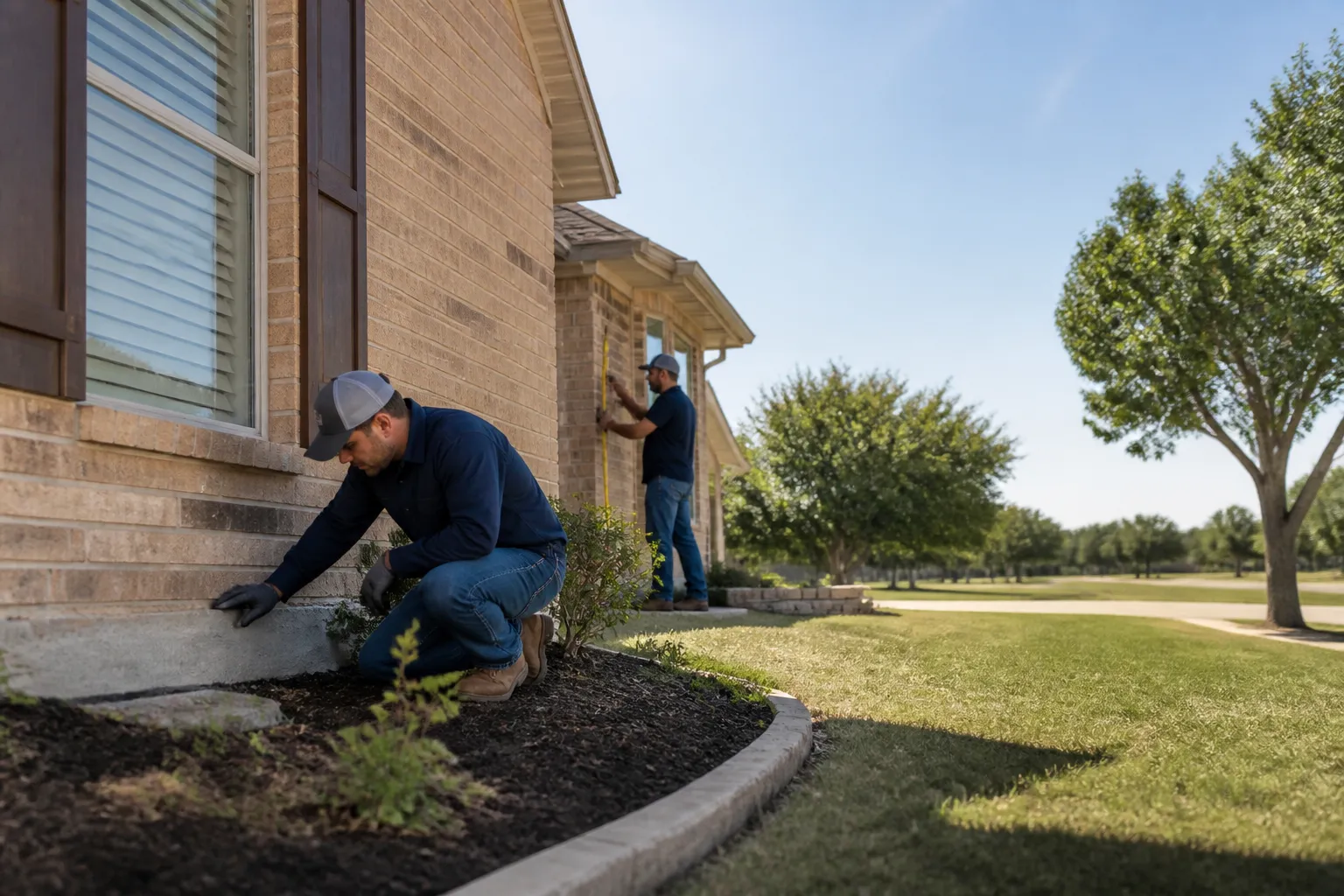
Whichever type you have, walk around the house twice a year. Look at the soil near the foundation, the gutters, and any new cracks. Small habits catch problems early, when fixes are simpler.
Related links
- Slab foundation repair
- Pier and beam foundation repair
- House leveling
- Hurst
- Bedford
- Keller
- Signs you need foundation repair in Grapevine
Not sure what you own? Call Grapevine Solid Foundation Repair at +1-817-203-2552 for a free inspection.